
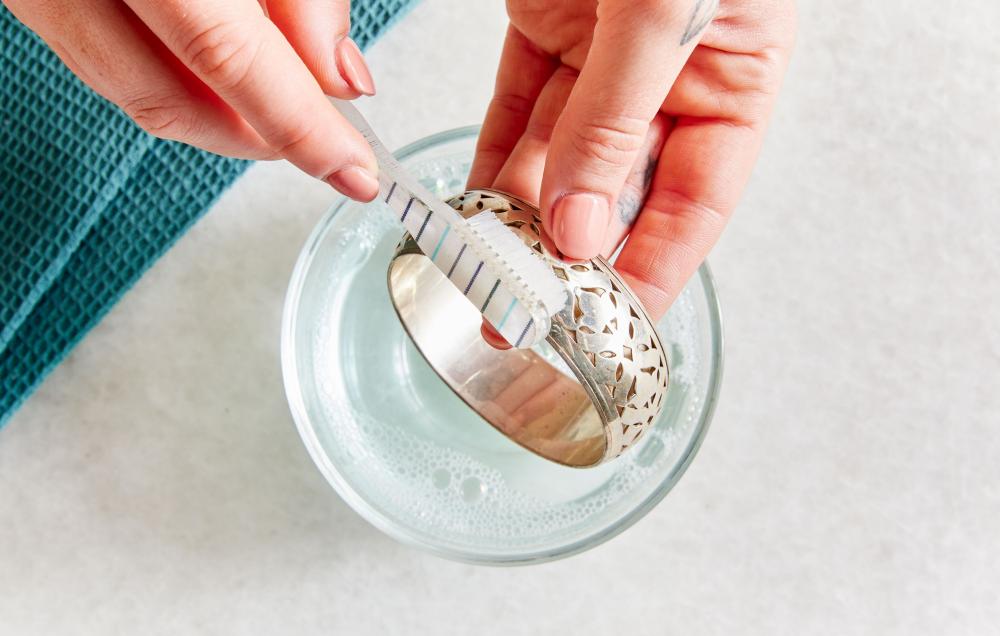
Cleaning silver isn't just about aesthetics; it's a crucial step in preserving the quality and lifespan of your accessories. When silver pieces lose their original shine and develop a layer of blackening or tarnish, many people believe their beauty is lost. However, the truth is that proper cleaning and care can restore their luster, making them look brand new, without the need for replacement or harsh methods that could damage the material. Everyday factors like humidity, perfumes, cosmetics, and sulfur-laden air react with silver, causing it to discolor over time. Therefore, knowing the correct methods for cleaning silver is essential, whether using simple, readily available household ingredients or specialized, metal-safe products. This is especially important when considering accessories from the Trendy Collection, as these aren't just ordinary silver pieces but designs that reflect modern taste and complement both everyday and formal looks. Maintaining this beauty requires understanding how to handle silver and knowing the difference between quick surface cleaning and deep care that preserves intricate details without scratching or damaging them.
Methods for polishing silver
Polishing silver is essential for maintaining its elegant appearance and natural shine with daily use, as silver loses its luster due to exposure to air and humidity. Regular polishing reduces the need for frequent deep cleaning, preserves intricate design details, and extends the life of your accessories, ensuring they retain their striking appearance every time they are worn.
The process of polishing silver helps to remove the dull layer that forms on the surface and restores the attractive appearance of bracelets , rings, chains and others without affecting the material. Polishing is done through simple and safe methods if the appropriate tools are chosen for it. It is important to use soft cloths specifically for this purpose.
Methods for polishing silver
There are many ways to clean and polish silver, depending on the degree of tarnishing and the type of piece. Choosing the appropriate method preserves the quality of the silver and ensures a long-lasting shine.
- The most common method is to use a soft cotton cloth.
- Use special products to polish silver.
- There are some methods that rely on simple and safe household ingredients, but the important thing is to avoid rough tools that scratch the surface.
- Light manual polishing gives noticeable results with repeated use, preferably polishing with gentle circular motions. The piece should also be cleaned before polishing to remove dust.
Causes of silver tarnishing
- Reaction with sulfur in the air: Silver, whether in rings , bracelets, or other items, naturally reacts with sulfur compounds present in the air, resulting in the formation of a dark layer on its surface known as oxidation.
- High humidity: Humid environments accelerate the tarnishing process, especially when silver is stored in poorly ventilated places.
- Perfumes and cosmetics: Silver comes into contact with perfumes, creams, and lotions that leave chemical residues that react with the metal and affect its color.
- Sweat and skin pH: The effect of silver varies from person to person, as the acidity of sweat in some people accelerates its darkening.
- Improper storage: Leaving silver exposed or storing it with other metals causes reactions that lead to discoloration or scratching of its surface.
The difference between cleaning silver and polishing silver
The difference between cleaning silver and polishing silver lies in the method of caring for each and its purpose, as each step has a different role in preserving silver earrings and accessories:
Cleaning silver
- Its primary purpose is to remove dirt, grease, sweat residue, and the dark layer that forms on the surface over time. This step restores the silver to its natural shine and prepares it for everyday use, employing gentle methods or specialized cleaning solutions without focusing on the final luster.
Silver polishing
- It is a cosmetic step that comes after cleaning, and its main goal is to restore the shine and luster to the piece. It works to improve the surface appearance and highlight the beauty of the design. It is done using special polishing cloths or products with light movements that maintain the smoothness of the silver.
Methods for cleaning silver
Cleaning silver differs from polishing it; it focuses on removing dirt and tarnish. Silver is cleaned with lukewarm water and a mild soap, a method suitable for light, periodic cleaning. Regular cleaning prevents the buildup of stubborn stains and preserves the metal's natural color. There are also deeper cleaning methods that rely on safe, natural reactions, but it's essential to dry the silver thoroughly after cleaning, as excess moisture can cause tarnishing to return quickly. Harsh chemicals should also be avoided, as they can weaken silver over time.
How often is it recommended to clean silver accessories?
It is recommended to clean silver accessories periodically, but not excessively; however, this depends on the frequency of use and the method of storage:
- In normal circumstances: Light cleaning every now and then is sufficient to remove dust and residues from daily use, especially if the accessories are worn frequently.
- For deep cleaning: It's best to do this when you notice any noticeable change in color or loss of shine, but it doesn't have to be done on a fixed schedule. Over-cleaning can damage the surface of silver, especially if the piece has intricate details. Therefore, gentle cleaning is recommended when needed to preserve your accessories, and storing them in a dry place away from moisture will help reduce the frequency of cleaning and keep your silver looking beautiful for longer.
How to clean tarnished silver with salt
Salt is one of the most commonly used household ingredients for cleaning tarnished silver, as this method relies on a simple reaction that helps remove the dark layer:
- Warm water with salt is used to achieve an effective result.
- It is used with aluminum foil to increase the reaction. This method is suitable for pieces that suffer from obvious blackening, but it requires precision in execution.
- Silver should not be left in the solution for too long so that fine details are not affected.
- After cleaning, rinse the accessory thoroughly and then dry it with a soft cloth.
How to clean silver accessories
Cleaning silver accessories requires special care because they contain delicate details:
- You should start by removing the dust with a dry cloth.
- It is recommended to use a suitable cleaning method depending on the condition of the item.
- Gentle cleaning preserves the accessory's shine without any scratches.
- Careful attention must be paid to the stones and decorations added, as they require different treatment.
- Avoiding excessive cleaning protects silver from corrosion, and proper storage after cleaning is just as important.
- Proper storage helps prevent exposure to air and moisture, so the accessories remain neat and ready for use.
Effect of improper storage on the color of silver
Improper storage directly affects the color of silver and accelerates the appearance of tarnish:
- Leaving silver accessories exposed to the air for extended periods causes the silver to react with compounds present in the air, resulting in the formation of a dark layer on the surface over time.
- Storing silver in humid or poorly ventilated places increases the speed of this reaction because humidity is a key factor in the discoloration of the metal.
- Placing silver accessories near chemicals, cosmetics, or perfumes exposes them to vapors of substances that react with time and affect their color.
- Disorganized storage, such as piling pieces on top of each other, causes friction and fine scratches that affect the overall appearance. Therefore, it is always recommended to store silver in a dry place inside bags or dedicated boxes, while minimizing exposure to air and humidity to preserve its color and shine for as long as possible.
How to clean copper accessories
Copper accessories need regular cleaning to maintain their color because copper changes color quickly when exposed to air, so a dark layer appears on it over time.
Cleaning with natural methods helps restore its shine, using simple ingredients readily available at home. However, it's crucial to choose polishing methods that won't damage the surface. Regular cleaning prevents the buildup of stubborn stains and maintains its aesthetic appeal. Thoroughly drying copper after cleaning is essential to ensure the color lasts longer.
The best methods for caring for silver
- Regular cleaning and gentle polishing of the accessory using a soft cloth specifically designed for silver helps to remove light dirt before it accumulates without scratching the surface.
- Avoid exposure to chemicals by removing silver jewelry before using detergents and perfumes or while swimming.
- Proper drying after use is recommended, as it is advisable to ensure that the silver is completely dry to prevent water spots and reduce the chances of oxidation.
- Storing silver in dry, airtight places by keeping it in cloth bags with special moisture-proof materials reduces its exposure to air.
- Light polishing when blackening appears is better than frequent polishing which affects the thickness of the silver over time.
- Storing each piece separately protects it from scratches and reduces the interaction between different metals.
Frequently Asked Questions
Why does silver change color and tend to darken over time?
The color of silver changes due to its natural reaction with air, humidity, and some mild chemicals such as perfumes and cosmetics, resulting in a dark layer appearing on the surface.
Does polishing accessories and silver frequently damage them?
Polishing and cleaning the accessory frequently in a gentle and safe manner does not harm silver, but excessive use of strong materials or rubbing it violently will affect its shine over time.
What is the difference between cleaning silver and polishing silver?
Cleaning silver aims to remove dirt and tarnish, but polishing focuses on restoring shine and luster after cleaning and maintaining an aesthetic appearance.
Can household ingredients be used safely to clean silver?
Yes, some simple household materials and components can be used when applied correctly, taking care to avoid any materials that are harsh on the metal.
How often is it recommended to clean silver accessories?
It is preferable to clean silver accessories when a change in color or loss of shine is noticed, along with performing light periodic cleaning to maintain their shape.
Is the method of cleaning silver accessories different from other silver pieces?
The accessories contain fine details and stones, so they need to be cared for in a gentle way and a cleaning method that suits their design.
Does improper storage affect the color of silver?
Improper storage accelerates the blackening of silver, especially when exposed to air and humidity for long periods without any protection.
Is it possible to restore the shine to old silver accessories?
In most cases, the shine of old silver accessories is restored using appropriate cleaning and polishing methods without affecting the material.
Should silver be dried after cleaning?
Yes, drying the silver is an essential step to avoid the buildup of moisture that causes it to tarnish quickly.
How can I keep my Trendy Collection accessories shiny for as long as possible?
Maintaining the shine requires gentle cleaning when needed, avoiding contact with perfumes and water, and proper storage in a dry and suitable place.